Solar water heating simply means using the sun's energy to heat hot water for your home. The average person uses between 20 and 30 gallons of hot water a day. A family of 4 would use between 2,400 and 3,600 gallons of hot water every month - all of which can be provided for free, using the sun's energy.
A solar water heater is sized to accommodate your family's current usage - meaning your habits and lifestyle don't have to changed. Once the solar hot water system is installed, the only thing that will change is your monthly bill.
Solar hot water is an affordable, effective form of clean, renewable energy that can be taken advantage of by every homeowner in America. Using the sun's energy means lower energy costs, free hot water for your home, and more energy independence.
Solar evacuated tube collectors are high performance, efficient, and long lasting. Evacuated tube collectors are used in areas with a colder climate, longer winters, or in areas that suffer from frequent cloudy or overcast weather conditions.
For warmer, sunnier climates, evacuated tubes are still an excellent choice, as are the solar flat plate collectors.
Installing a solar water heating system for your home can reduce your energy consumption by as much as 40% to 50%. Many people don't realize how much energy is used just to provide hot water in your home. In fact, 20% to 25% of the average family's energy consumption is just for heating water for things like laundry, cooking, cleaning, dishes, and showers.
In addition to providing all your hot water needs, a solar hot water system can also provide heat for other needs. A solar hot water heating system can heat your radiant floor system, a pool, or other applications that require hot water.
Furthermore, our solar hot water systems qualify for the Federal 30% tax credit, meaning that 30% of the installed cost of your solar hot water system is returned to you the next time you file your taxes. This means less out of pocket expense, and a faster rate of return on the costs of your solar water heating system.
A home solar water heater is a very simple and maintenance free way to immediately reduce your monthly energy costs. Both evacuated tube and flat plate solar hot water systems work in a similar manner.
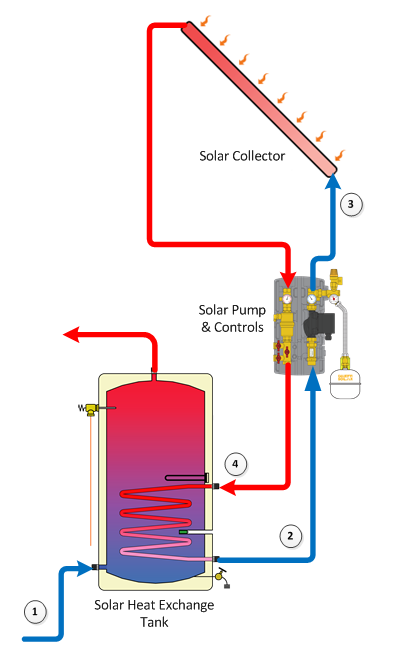
In most residential solar hot water systems that use evacuated tubes, cold water flows into the bottom of the solar storage tank (1).
The solar loop’s heat transfer fluid (usually a water & glycol mixture) is pumped up to the solar collector (2).
Inside the solar collector, it is heated with the sun’s energy (3). The evacuated tubes are very efficient at trapping heat from the sun and transferring it into this fluid.
As the fluid moves through the solar evacuated tube collector and heated up, it is then pumped back down inside the heat exchanger in the solar tank, heating the water inside the solar tank (4).
This is just one of the more common designs used in a home solar hot water system. Other designs are available, and can be used depending on your specific application.
Contact us today for more information, or to find a dealer near you!
In the average American home, over 25% of energy consumption comes from heating water. This hot water is often used for cooking, washing dishes, laundry, showers, and cleaning. A solar hot water system is an ideal solution to reduce ever rising energy costs.
Evacuated tube collectors are typically used in areas that are subjected to long or cold winters, or have many cloudy days. The technology in an evacuated tube makes it a lot less susceptible to colder temperatures than their flat plate counterparts, allowing these systems to generate free, solar hot water for your entire family even on the coldest of days.
Applications for evacuated tube collectors include (but are not limited to) homes and residences with large families (3-4+ people), homes located in the mid to northern areas of the United States (North of the Mason-Dixon Line), and for homeowners that want a high performing collector all year long.
Applying a solar hot water system can give you a number of benefits.
By using the sun to heat - or preheat - your home's hot water, you can cut your water heating bill substantially. On many solar hot water systems, customers report that their hot water heating bills have been reduced by as much as 80%.
Over 30% of the average American family's electric bill goes directly to heating hot water. This means that a solar water heating system can immediately reduce your bills, and will continue to do so for decades to come.
Solar water heating systems help you reduce energy consumption, and therefore, reduce the pollution associated with producing that energy. A 50% reduction in traditional energy use means a 50% reduction in CO2 emissions. So by installing a solar hot water system in your home, you are reducing your carbon footprint by half.
This results in a cleaner environment, and helps to lessen our reliance on traditional, polluting fossil fuels like coal and oil. You are able to contribute to a better tomorrow - all while saving money!
With a solar hot water heating system, many times a solar tank is installed to work alongside your existing hot water tank. This means you will have double the storage - and twice as much hot water available.
So when you have guests, visitors, or want to take that extra long soak in the tub - you can do so without it jumping up your electric bill. You'll have more water - and hotter water - available. Hot water that you can feel good about using, knowing it was heated using the sun's energy for zero cost.
Too find a dealer in your area today, please contact us.
For further information regarding these systems, please see our solar evacuated tube product listings.
Solar Panels Plus offers complete solar hot water heating packages for your home. Pre-engineered, and complete with all the major components you need to have your very own solar hot water heating system.
These packages include the following:
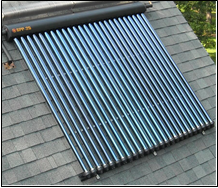 The evacuated tube collector is the primary component of any solar hot water package. These water heating collectors come in sets of either 25 or 30 tubes, and are pre-packaged with a flush mount frame. All the needed hardware is included for you to mount the collector directly to your roof.
Each solar collector always comes with spare tubes, just in case one is damaged during installation. The SPP-25 is packaged with one free spare tube, and the SPP-30A comes with two free spare tubes.
Both the SPP-30A and the SPP-25 are SRCC Certified, allowing you to take advantage of federal, state, and local cash rebates and tax incentives. For more information on the tax incentives in your area, please visit www.dsireusa.org
These water heating collectors are durable, efficient, and long lasting. The borosilicate glass is rated for up to 1" hail, ensuring maximum durability through all types of weather conditions. Covered by a 10 year full warranty, these evacuated tube collectors will produce free, clean, reliable hot water for your whole family for many years to come. For more information, please visit our evacuated tube solar collector product listing.
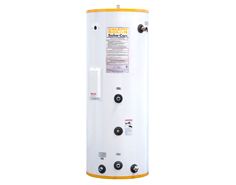 The solar water tank is another primary component of all solar water heating packages. The solar hot water tank contains a heat exchanger, which allows the heated fluid from the solar collectors to heat the water inside.
The solar storage tank is always sized to accommodate the size of your solar thermal array. Each package comes with an appropriately sized solar water tank, however, many customizable options are available.
All of our solar water tanks have a variety of options depending on your specific application. Various sizes are available, as well as backup electrical elements to ensure you always have a steady flow of hot water.
More information on our solar tanks.
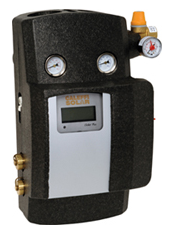 The pump is an important component in any solar water heating package. The pump circulates fluid through your solar hot water system. The pump station has a number of different customizable pumps, to ensure that you always have the exact flow you need for optimal solar gain.
The solar pump station has a number of other components essential to the installation and operation of the solar hot water system as well, such as pressure and temperature gauges, flowmeter. The solar pump station also can include installation-related items such as flush and fill valves that your solar installer will appreciate.
The solar pump station works directly in conjunction with the solar controller, its speed, activation, and performance always being closely monitored by the solar controller.
These pump stations come with a variety of customizable options, such as pump size and speed, various fittings, and much more.
More information regarding our solar pumps and solar pump stations.
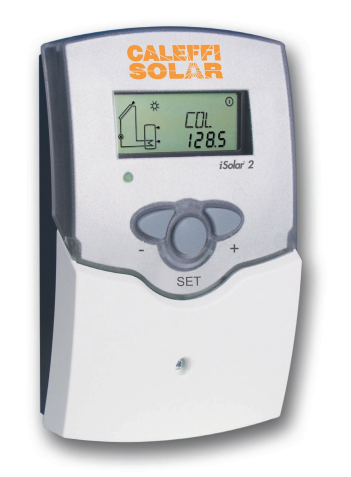 The solar controller is the 'brains' behind every solar hot water system. The controller receives information from various sensors that are installed in the solar collector and in the solar tank.
The solar differential controller monitors when there is heat available, and turns your pump on and off, as well as controls the speed of the flow in many solar hot water applications. The iSolar series of solar controllers allows you to easily view the performance of your solar hot water system, and has a very simple, easy to read interface.
Different solar water heating controllers are available for various applications, allowing for multiple pump control, data logging, or variable speed pump control.
More information on our iSolar series controls and solar controllers.
A number of other components are needed to install a solar hot water heating system on your home. Solar Panels Plus has carefully engineered prepackaged systems, so that a solar installer can quickly, and professionally install your solar hot water system.
A prepackaged solar water system from Solar Panels Plus guarantees a faster, more professional installation. And since your installer is spending less time during the actual installation, that means less upfront cost. Furthermore, our packages are fully warranted to keep you satisfied for longer, and our Technical Support Team is available with any questions or concerns you or your installer may have.
More information on our Solar Thermal Components.